Best Collar for Your Fi GPS Tracker
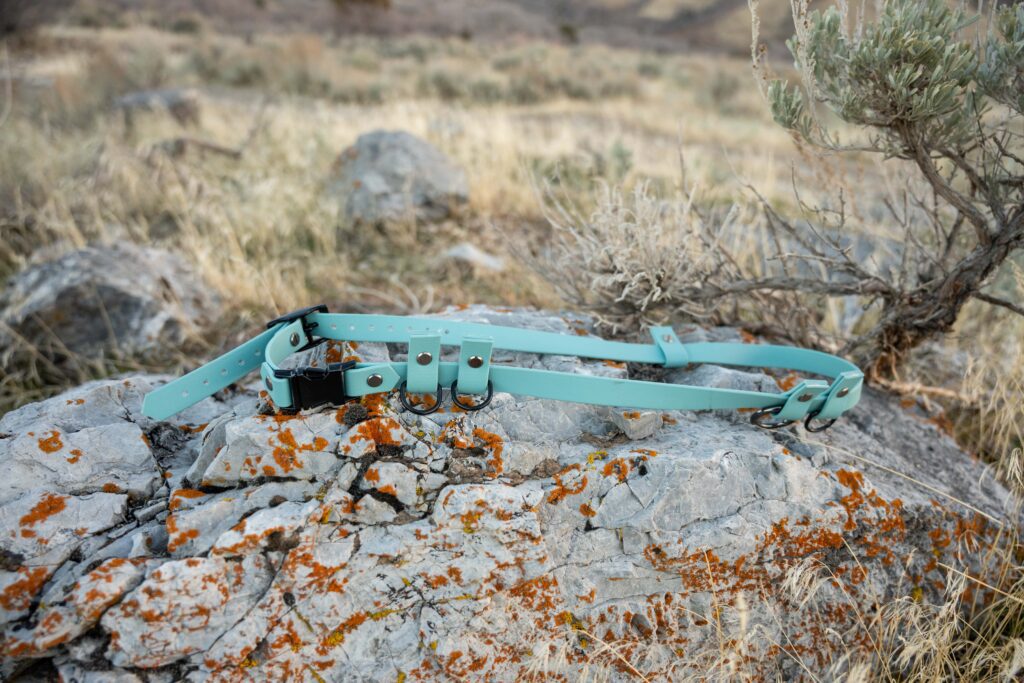
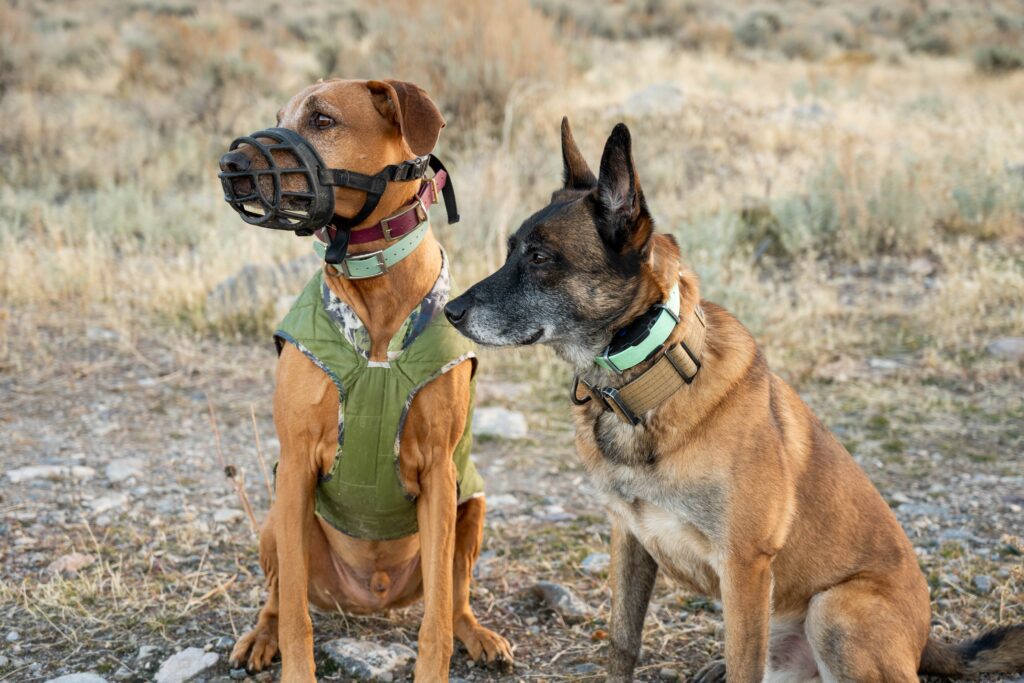
8 min read • July 2026 The Best collar for Your Fi GPS Tracker:A Real Owner’s Guide Fi Mini, Series 3, and 3+; what fits, what holds up, and the e-collar combo setup most guides never mention. by Pimped Out Pup 8 min read Gear Guide You dropped $150 on the Fi tracker. The band it ships with is fine for the suburbs. It’s not what active dogs, working dogs, or training dogs need for year-round use. Most “Fi compatible collar” guides are product pages from one brand. They tell you their collar works with Fi, list the colors, and stop there. They don’t cover which Fi model you actually have — and that matters, because the collar attachment changed between generations. They don’t cover what happens when the collar absorbs moisture around a device you’re not removing every night. They definitely don’t cover how to run a Fi tracker and an e-collar on the same band. That last one? Nobody covers it. This post does. In this Article 1. Which Fi Model Do You Have? Know Before You Shop 2. The Compatibility Matrix 3. Inline vs. On the Collar: What the Difference Actually Means 4. Width Guide: What Size for Your Dog? 5. Why BioThane Is the Standard for GPS Collars 6. The E-Collar + Fi GPS Combo Nobody Writes About 7. Which POP Collar Is Right For You? 8. FAQs Which Fi Model Do You Have? Know Before You Shop This matters before anything else. The collar attachment system changed between generations, and the Fi Mini uses a completely different method. Buying the wrong collar for your tracker is a frustrating $40 mistake. skip render: ucaddon_ue_table Key takeaway: Series 3 and 3+ use the same end link, collars made for one work for both. Series 1&2 use an older connection. The Fi Mini uses no end links at all. A note on the Fi Mini strap: The Fi Mini comes with two versions of a universal strap. The strap slides on and holds the module to your collar band. For most everyday use this works well; but with heavy activity like swimming, hard running, or rough play, it’s possible for the module to slip out. If your dog is active, our TPU case is a more secure option: it holds the module in it’s own little box that slides onto a collar. It’s available in 3/4″ and 1″ widths. The Compatibility Matrix Fi Series 3 and 3+ require a collar with Fi-specific metal end links sewn or screwed into the band. Without them, the module has nothing to clip into. The Fi Mini is different; its strap slides on and holds to any collar. skip render: ucaddon_ue_table Fi Mini Owners Your collar doesn’t need to be “Fi compatible” in the traditional sense. The Mini strap slides on and holds to any band … which means POP’s full color lineup is available to you. Inline vs. On the Collar: What the Difference Actually Means Inline design: The end links are sewn or screwed directly into the collar band. The Fi module sits inline with the collar — flush with the band, low profile, clean look. The tracker sits on the outside of the collar and does not contact your dog’s neck. On the collar design: Two small straps hold the Fi module on top of the collar band. The module never touches your dog’s skin. This design is slightly sturdier since there’s no direct pressure on the end links themselves. Which Design is Right For You? Using Series 3+ for behavior monitoring? Go inline. Fi recommends the inline design for accurate behavior tracking (licking, scratchin, barking). On-the-collar works for GPS but reduces accuracy on behavior features. GPS and safety only? Either works equally well. Want a sturdier build with no pressure on the end links? On the collar is the better choice. Width Guide: What Size for Your Dog? There’s no Fi-specific width requirement; use the same width you’d choose for any collar. End links are sized to fit both standard widths. skip render: ucaddon_ue_table Fi Mini note: The Mini’s strap slides on and holds to any collar width. For our TPU case, we offer a 3/4″ version and a 1″ version. Why BioThane Is the Standard for GPS Collars The module sits against the collar all day. If your dog swims, runs in rain, or works in the field, the collar is going to get wet. Leather absorbs that moisture and adds mold risk. The odor development isn’t just an annoyance; it’s happening right around your GPS hardware. BioThane is non-porous. Water beads off. Mud sits on the surface until you wipe it off. No moisture accumulation around the module, no bacteria, no odor. A quick rinse and it’s clean. You’re also not removing this collar every night … it’s the collar with the tracker on it. Low-maintenance isn’t a preference at that point, it’s a practical requirement. BioThane also stays flexible in cold weather when leather stiffens, which matters for hunting and field dogs in cold climates. WINNER: BioThane. The only collar material built for long-term wear with an electronic device. The E-Collar + Fi GPS Combo Nobody Writes About THIS SECTION IS FOR YOU IF YOUR DOG WEARS AN E-COLLAR Training dogs, hunting dogs, and field dogs often run two collar setups: the e-collar receiver on one band, a regular collar on another. Two bands, two sets of hardware, double the bulk on your dog’s neck. It’s not ideal for comfort, and it’s not ideal for working conditions. Some of our collars are designed to accommodate both; one band that holds the e-collar receiver and the Fi GPS module together. Single collar. Both tools. No double-collar rig. For this setup to work, your dog needs a large enough neck to comfortably fit a 4–5″ e-collar module, a 3″ Fi GPS module, and the hardware of the collar itself. It’s not right for every dog; but for the dogs that can run it, it’s the cleanest setup available. WHY
BioThane vs. Leather vs. Nylon: The Ultimate Dog Collar Material Comparison
8 min read • June 2026 BioThane vs. Leather vs. Nylon: Which Dog collar Material Actually Wins? The honest breakdown for dogs who actually do things. by Pimped Out Pup 8 min read Gear Guide You’ve probably already read three versions of this comparison. They all say the same thing: BioThane is waterproof, leather looks great, nylon is cheap. Fine. But if your dog is doing anything beyond a leashed neighborhood walk — hiking, hunting, training, swimming, running a Fi tracker or an e-collar — you need more than a pros and cons list. Here’s the comparison that accounts for what dogs actually do — including the section about e-collar and GPS tracker use that every other guide skips entirely. In this Article 1. The Quick Answer – a comparison table 2. Durability – how long does it actually last? 3. Waterproofing & Odor 4. E-collar & Fi GPS use 5. The real cost over time 6. which material is right for your dog? 7. FAQs the Quick Answer skip render: ucaddon_ue_table Durability – How long does it actually last? BioThane routinely lasts 5-8 years under regular use. Professional trainers who put gear through daily abuse; mud, sand, saltwater, rough terrain have reported leashes lasting 10+ years. The coating protects the polyester core from UV damage, moisture, and abrasion. Quality leather, with diligent maintenance, can reach 3–8 years. In practice, with average busy-owner care, it’s closer to 1–2 years before cracking or mold appears. Every wet-and-dry cycle costs the material something. Nylon is a 6–12 month proposition for active dogs. UV weakens the fibers, fraying starts at hardware stress points, and colors bleach out within a season. Winner: BioThane by a margin that makes the price difference irrelevant within the first year. Waterproofing & Odor Nylon stinks from bacteria. Leather smells from mold. Two different failures…same outcome. Nylon smells bad because it absorbs moisture and bacteria … the wet dog leash smell that doesn’t fully wash out. Leather smells bad for a completely different reason: repeated soaking and drying promotes mold and mildew in a naturally porous material. BioThane is non-porous. Water beads off. Bacteria can’t penetrate the coating. Mud sits on the surface until you wipe it off. There’s nowhere for odor to live. A quick rinse after a hard day out and it comes out the other side smelling like nothing. E-Collar & Fi GPS Use This section is written specifically for you if you run an e-collar The receiver unit sits agains the collar contantly. Nylon absorbs liquid and bacteria all around the unit. Leather softens and darkens unevenly at contact points and can grow mold in the enclosed spaces. BioThane is the universal standard for e-collar straps in the professional training world for exaclty one reason: nothing gets into it. Wipe clean in seconds. no odor development. No material degredation after months of daily use. For Fi GPS tracker use: you want a collar that doesn’t absorb moisture all around a device/collar that you’re not removing every night. At Pimped Out Pup, our entire Fi-compatible and e-collar strap line is built in BioThane because the material is what these use cases actually require. The Real Cost Over Time Initial price is only part of the story. Lifespan determines actual value, and leather’s lifespan depends almost entirely on whether you actually do the maintenance. Biothane ~$7 per year UPFRONT COST $40-50 REALISTIC LIFESPAN 5-8 year of reular use MAINTENANCE COST $0 – rinse and go TOTAL OVER 8 YEARS ~$50 Leather It depends. varies by maintenance If you Maintain it ~$12/yr $60-80 collar + conditioner over a realistic 5-8 years If you don’t ~$30/yr Same collar replaced every 1-3 years without upkeep Nylon ~$18 per year (active dog) UPFRONT COST $10-20 REALISTIC LIFESPAN 8-12 months for active dogs MAINTENANCE COST low – burt washing degrades it faster TOTAL OVER 8 YEARS ~$120-180 in replacements The honest bottom line: BioThane wins on cost for most active dog owners even with conservative numbers. Leather i genuinely compeitive IF you condition it monthly and protect it from water – but most people who need a collar for hunting, training, or trail use don’t have bandwidth for that routine. If thats you, the math isn’t close. Which Material is Right for Your dog? Choose Biothane Your dog swims, hunts, or hikes You run an e-collar or Fi GPS You want to buy it once Real weather, real seasons Multi-dog or training environments Choose Leather Low -activity, mostly dry environments Classic aesthetic is the priority You enjoy gear maintenance Your dog has sensitivity to synthetics Choose Nylon First dog, not sure yet Budget is the hard constraint Temporary / foster situations Planning to upgrade later Frequently Asked Questions Is BioThane actually better than leather for dog collars? For most active dogs: yes. BioThane has leather’s strength and comfortable feel, plus complete waterproofing and zero maintenance. The honest case where leather wins is a low-activity dog with an owner who genuinely enjoys the maintenance routine. How long does a BioThane dog collar actually last? With regular use and basic care, a well-made BioThane collar lasts 8-10 years. Professional trainers using BioThane daily report gear lasting 10+ years. It simply doesn’t have the failure modes; much slower UV degradation, no moisture damage, no fraying. Why do professional trainers sepcifically use BioThane for e-collar straps? It’s the only material that wipes clean between sessions, doesn’t degrade under constant receiver contact, and doesn’t absorb liquids and oils that cause odor and material breakdown. In a multi-dog environment, that santizability is non-negotiable. Can BioThane collars be used in saltwater? Yes. Rinse with fresh water after saltwater exposure and let air dry. The non-porous coating prevents salt absorption. For most active dogs: yes. BioThane has leather’s strength and comfortable feel, plus complete waterproofing and zero maintenance. The honest case where leather wins is a low-activity dog with an owner who genuinely enjoys the maintenance routine. With regular use and basic care, a well-made BioThane collar lasts
Most Popular Dog Names
Most Popular Dog Names If you’ve ever struggled to come up with the perfect name for your furry best friend, you’re not alone. Choosing a name for your dog can be a daunting task, but fear not! We’ve scoured the internet and compiled a list of the most popular dog names of the year. Whether you’re looking for a traditional name like “Max” or a more unique moniker like “Cassius,” we’ve got you covered. So sit, stay, and read on to discover the most popular dog names that are sure to get tails wagging. In This Article: Top 50 Dog Names Top Female Dog Names Top Male Dog Names Golden Retriever Names Poodle Names Bulldog Names Doberman Names Border Collie Names Pointer Names German Shepherd Names Spaniel Names Scottish Terrier Names Hound Dog Names Great Dane Names Dachshund Names Chihuahua Names Top 50 Dog Names luna bella max charlie daisy lucy cooper buddy milo bear hank teddy rosie ruby willow sadie duke maggie penny rocky bailey finn gus lola nova molly maverick stella jack moose tucker ellie winston coco murphy millie ace poppy leo zeus hazel lily nala cash honey winnie loki beau piper scout Top Female Dog Names bella luna daisy lucy sadie molly lola sophie maggie chloe Top Male Dog Names Max charlie cooper buddy rocky bear duke tucker oliver leo Top Golden Retriever Names Maggie molly sadie daisy bailey buddy max charlie duke bear Notable golden-specific names tha reflect their coat color that also rank high include; Ginger, Rusty, Sandy, and Goldie. Top Poodle Names bella molly daisy sophie coco max buddy charlie teddy bear Top Bulldog Names bella daisy coco ruby stella winston duke brutus diesel tank Winston is especially fitting for English Bulldogs, given Churchill’s famous “British Bulldog” nickname. Top Doberman Names luna freya athena raven zara zeus apollo thor max shadow Top Border Collie Names luna lucy bella willow scout max finn jack cooper bandit Top Pointer Names bella daisy sadie rosie scout max gunner duke maverick ace Pointers tend to get more field and hunting-inspired names than most breeds. Top German Shepherd Names sasha heidi luna stella zara max rex kaiser axel bruno Top Spaniel Names lady bella rosie daisy poppy charlie buddy finn oliver gus Spaniel names tend toward charming and elegant choices; female names like Lady and Rose reflect how much owners revere the breed’s graceful nature, while fun and frisky names also rank highly given the breed’s high-energy personality Top Scottish Terrier Names bonnie fiona isla pepper skye angus duncan fergus MacGregor Hamish Scottish Terriers pair especially well with traditional Scottish names that reflect their proud heritage and spunky personality. Top Hound Dog Names Daisy sadie winnie rosie clementine duke hunter otis cooper hank Top Great Dane Names Luna athena nova raven khaleesi duke zeus moose apollo titan Mythological names like Zeus, Apollo, and Athena are disproportionately popular for the breed compared to dogs in general. Top Dachshund Names penny rosie liesl mitzi ruby gus fritz oscar frankie rudy Top Chihuahua Names bella luna coco lola chloe max chico charlie peanut milo Choosing a name for your dog is an important decision, but it doesn’t have to be a stressful one. With so many popular names to choose from, you’re sure to find one that perfectly fits your furry friend’s personality. From the timeless classics to the more creative and unique options, there’s a name out there for every dog. Similar Posts 8 Sports You Can Do With Your Dog Read More Choosing The Best Breed for Your Lifestyle Read More 7 Items to Buy Your New Puppy Read More No posts found
8 Sports You Can Do With Your Dog
8 Sports You Can Do With Your Dog Dogs are more than just furry friends, they are also incredibly intelligent and athletic animals that crave physical and mental stimulation. Engaging in dog sports and activities not only provides exercise but also strengthens the bond between owners and their dogs. There are a number of activities you can do with your pup that provide benefits for both you and your dog. In This Article: Agility Flyball Rally Obedience Dock Diving Treibball Disc dog Lure Coursing Canicross Teaching Your Dog to Do Agility https://youtu.be/yyWheXqf_hM?t=148 @allthinzdog Border collie wins agility contest #dog #dogs #dogagility #dogcompetition #dogcompetitions #dogtraining #dogsoftiktok #petlovers #petlover #fyp #viraltiktok #viral ♬ Unstoppable (I put my armor on, show you how strong I am) – Sia Start with basic obedience training: Before starting agility training, make sure your dog has basic obedience skills, such as coming when called and responding to commands like “sit” and “stay.” Familiarize your dog with agility equipment: Let your dog sniff and explore the equipment in a safe and controlled environment to get comfortable with it. Begin with simple obstacles: Start with simple obstacles such as a tunnel, jumps, and weave poles and gradually increase difficulty. Use positive reinforcement: Reward your dog with treats and praise for successfully completing each obstacle. Practice regularly: Consistent and regular training sessions will help your dog learn and improve faster. Consider taking classes: Taking an agility class with a professional trainer can be helpful, as they can give you advice on how to train your dog effectively and safely. Safety first: Always make sure the equipment is set up safely, and keep your dog’s comfort and well-being in mind at all times. Remember, teaching your dog agility can take time and patience, but with consistent training, you and your furry friend can enjoy the fun and benefits of this sport. Challenge Yourself to an Agility Competition Agility competitions are events where dogs and their handlers compete against each other to complete an obstacle course in the shortest time possible, with the fewest faults (errors). These competitions can range from local events to national and international championships. Agility competitions are open to dogs of all breeds and sizes, and offer a fun and exciting opportunity for dogs and their owners to bond and showcase their skills. They provide a platform for dogs to demonstrate their physical abilities, obedience, and teamwork, and are a great way for owners to interact with other dog enthusiasts. Competitions typically follow a standardized set of rules and regulations set by organizations such as the American Kennel Club (AKC) or the Kennel Club (UK). Classes are divided based on the size and experience of the dog, and handlers can compete in various levels, from novice to advanced. Teaching Your Dog to Do Flyball https://youtu.be/shAMVEyCwOE @rushflyballatx Love our #flyball team ? ? ? #findyourgrace #nourisheveryyou #flyballdogs #fyp #rushflyball #foryoupage #dogsofttiktok #dogsport ♬ Legends Are Made – Sam Tinnesz Basic obedience: Ensure that your dog has basic obedience skills and is comfortable with commands like “come” and “stay”. Introduce your dog to the equipment: Familiarize your dog with the equipment, including the starting line, jumps, and the ball box. Start with retrieving: Teach your dog to retrieve a ball and bring it back to you. This is the foundation of flyball. Adding jumps: Once your dog is comfortable retrieving the ball, start adding jumps to the routine. Practice with a team: Flyball is a team sport, so it’s important to practice with other dogs and handlers. Use positive reinforcement: Reward your dog with treats and praise for successful performances. Gradual progression: Gradually increase the difficulty of the course, incorporating more jumps and longer distances. Consider taking classes: Taking a flyball class with a professional trainer can be helpful in learning the proper techniques and getting feedback on your training progress. There are also several clubs where you can practice with other dogs since it is a team game. Competing in Flyball Flyball competitions are events where teams of dogs and their handlers compete against each other to see who can complete a relay race of jumping over hurdles, retrieving a ball, and returning to their handler the fastest. Competitions typically follow a standardized set of rules and regulations set by organizations such as the North American Flyball Association (NAFA) or the Flyball Association (UK). Teams are usually composed of four dogs and handlers, and races are divided into different classes based on the size and experience of the dogs. Getting Started with Rally Obedience https://youtu.be/i8mEv2djK0w @dorarayy I’m lucky to call her mentor and my mama 😉 I learned from the best. #dogtraining #dogsports #rallyobedience #dogrally #obedience #positivereinforcementdogtraining #dogtrainer ♬ Applause – Lady Gaga Basic obedience: Ensure that your dog has basic obedience skills, including commands such as “come,” “stay,” and “heel.” Familiarize with the signs: Study and understand the different rally obedience signs and their meanings. Start with simple exercises: Begin by practicing simple exercises, such as heeling, turns, and halts. Use positive reinforcement: Reward your dog with treats and praise for successful performances. Practice regularly: Consistent and regular training sessions will help your dog learn and improve faster. Gradual progression: Gradually increase the difficulty of the exercises, incorporating more signs and longer courses. Consider taking classes: Taking a rally obedience class with a professional trainer can be helpful in learning the proper techniques and getting feedback on your training progress. Have fun: Rally obedience is a fun and interactive sport, so make sure to have a positive attitude and enjoy the experience with your furry friend. Making it too serious or negative will diminish the enjoyment both you and your pup have. Remember that obedience takes a lot of time, practice, and consistency so don’t get flustered when things don’t happen right away. Rally Competitions Rally obedience is a competitive sport where dogs and their handlers perform a set of obedience exercises, following signs placed throughout the course. Competitions typically follow a standardized set of
Choosing The Best Breed for Your Lifestyle
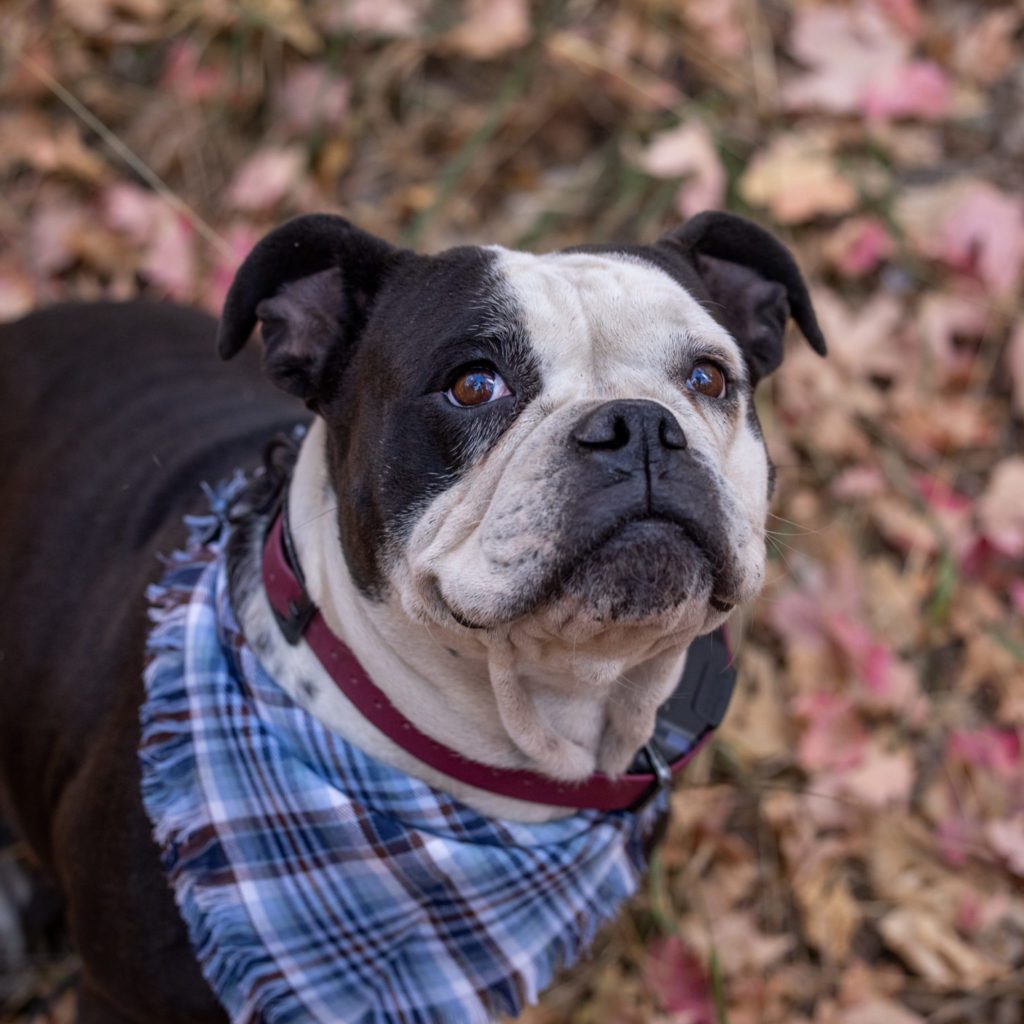
Choosing The Best Breed for Your Lifestyle Choosing the right breed of dog for your lifestyle is an important decision that will have a big impact on your daily routine and overall happiness. Before bringing a new furry friend into your home, it is important to consider the characteristics and needs of different breeds to find the one that best fits with your lifestyle. In This Article: Choosing a Breed Top Breeds People Love Pros & Cons to Specific Dog Breeds Labrador Retriever German Shepherd Golden Retriever Bulldog Beagle Poodle Rottweiler Boxer Dachshund Siberian Husky Things to Consider when choosing a dog breed Your living situation First, think about your living situation. If you live in a small apartment, a larger breed may not be the best fit. Similarly, if you have a big house with a big yard, a small lap dog may not be the best choice. Consider the space and exercise needs of the breed you are interested in. consider energy levels If you are an active person who likes to run or hike, you may want a breed that can keep up with you. If you have a more sedentary lifestyle, a low-energy breed may be a better fit. Time Toward Training It is also important to consider the time and effort you are willing to put into training. Some breeds can be more difficult to train. Be sure to research the breed’s specific needs and consider if you are willing and able to meet them. Grooming Needs It is also important to consider the time and/or money you are willing to put into grooming. Some breeds require more grooming than others, or very particular and specific types of grooming. Make sure you are willing to purchase the grooming tools you’ll need and learn how to do it yourself. Or that you are willing to spend money for a groomer to take care of these needs for you each month. Temperment Another important aspect to consider is the breed’s personality and temperament. Some breeds are known for being more friendly and outgoing, while others may be more reserved and independent. Take the time to research the breed’s personality and consider if it aligns with your own personality and lifestyle. Ultimately, the key to finding the right breed for your lifestyle is to do your research. Take the time to learn about different breeds and their characteristics, needs, and personality. It may take some time, but it will be well worth it in the end when you find the perfect furry companion to share your life with. Remember that a dog is not just a pet but a companion and a family member, so it’s essential to take the decision carefully, with a long-term vision. Top Breeds People Love Labrador Retriever: This friendly and outgoing breed is known for its loyalty and trainability. They are great with children and make great family pets. German Shepherd: This breed is known for its intelligence, trainability, and protective nature. They make great guard dogs and are often used as police and service dogs. Golden Retriever: Another friendly and outgoing breed, Golden Retrievers are known for their loyalty and trainability. They are great with children and make great family pets. Bulldog: Bulldogs are known for their friendly and easy-going nature. They are great with children and make great family pets. Beagle: This small hound breed is known for their friendly and curious nature. They are great with children and make great family pets. Poodle: Poodles are known for their intelligence, trainability, and hypoallergenic coat. They come in three sizes (standard, miniature and toy) and make great family pets. Rottweiler: This breed is known for its strength, loyalty and protective nature. They make great guard dogs and are often used as police and service dogs. Boxer: This breed is known for its playful and energetic nature. They are great with children and make great family pets. Dachshund: This small breed is known for their playful and curious nature. They are great with children and make great family pets. Siberian Husky: This breed is known for its friendly and outgoing nature. They are great with children and make great family pets. Pros & Cons to Specific Dog Breeds Labrador Retriever German Shepherd Golden Retriever Bulldog Beagle Poodle Rottweiler Boxer Dachshund Siberian Husky Pros & Cons of owning a labrador retriever PROS Friendly and outgoing: Labrador Retrievers are known for their friendly and outgoing nature, making them great with children and other pets. Trainable: Labrador Retrievers are highly trainable, making them easy to teach new tricks and commands. Great with families: Labrador Retrievers are great family pets and are known for their loyalty to their owners. Adaptable: Labrador Retrievers are adaptable and can live in both urban and rural environments. Good for activities: Labrador Retrievers are known for their high energy levels and love for exercise, making them great for activities such as hiking, swimming and running. CONS Shedding: Labrador Retrievers are heavy shedders, which can be a problem for people with allergies. Obesity: Labrador Retrievers are prone to obesity if not given enough exercise and proper nutrition. Chewing: Labrador Retrievers are known for their love of chewing, which can be a problem if they are not provided with appropriate chew toys. Training: Labrador Retrievers can be stubborn at times and may require consistent and patient training. Separation anxiety: Labrador Retrievers are known to experience separation anxiety if left alone for extended periods of time. Pros & Cons of owning a german shepherd PROS Intelligent: German Shepherds are known for their intelligence and trainability, making them easy to teach new tricks and commands. Protective: German Shepherds are known for their protective nature, making them great guard dogs. Active: German Shepherds are active and energetic, making them great for activities such as hiking, running and training. Versatile: German Shepherds are versatile and can be trained for various tasks such as search and rescue, therapy, and service work. Loyal: German Shepherds are known for their loyalty to their owners and make great companions. CONS Training: German Shepherds can be
7 Items to Buy Your New Puppy

7 Items to Buy Your New Puppy Congratulations on your new puppy! Owning a puppy is a big responsibility, but it can also be a lot of fun and bring a lot of joy to your life. If you just got a puppy for Christmas, you may be feeling a bit overwhelmed with everything you need to do to get started. Don’t worry, we’ve got you covered with items you’ll want to purchase, and a few things you may want to do to get started on the right foot. 1. Crate A crate is a good way to house train your puppy and keep them safe when you can’t supervise them. It’s also a good place for them to sleep. Just make sure the crate is the right size for your puppy – it should be big enough for them to stand up, turn around, and lie down, but not much bigger. It’s important to introduce the crate to your puppy gradually and make it a positive experience by using treats and positive reinforcement. You should also avoid using the crate as a punishment and make sure your puppy has regular potty breaks and exercise when they are in the crate. It’s also recommended to have a comfortable bedding and toys inside the crate for your puppy’s comfort. 2. A Leash & Collar You’ll need a leash and collar to take your puppy for walks and to make sure they don’t wander off when you’re out and about. Look for a collar that fits snugly but isn’t too tight, and a leash that is sturdy and comfortable for you to hold. It also helps to get a leash that is waterproof so that if puppy accidently pees on the leash you don’t have to worry about it absorbing into the leash and stinking for days. 3. Toys Puppies need plenty of mental and physical stimulation, so it’s important to have a variety of toys for them to play with. This can include chew toys, interactive toys, and balls. Just make sure the toys are age and size appropriate for your puppy. Training your puppy with interactive toys such as treat-dispensing or puzzle toys can also be a great way to provide mental stimulation and bond with them. Additionally, providing a variety of textures and materials in toys such as rubber, rope, and plush can help promote healthy chewing habits and keep your puppy’s teeth clean. 4. Food & Water Bowls Your puppy will need a place to eat and drink, so make sure you have food and water bowls that are the right size for them. Stainless steel or ceramic bowls are good options, as they are easy to clean and don’t hold onto bacteria. 5. Puppy Food When choosing a puppy food, it’s important to look for one that is appropriate for your puppy’s breed and size, as well as their life stage. Puppies have different nutritional needs than adult dogs, so it’s important to feed them a diet that is specifically formulated for their growth and development. You should also look for a food that is high in protein, as it’s essential for building and maintaining strong muscles, bones, and organs. It should also contain appropriate levels of fat, carbohydrates, vitamins and minerals. You should also consider the source of the protein. A high-quality puppy food should contain a named meat source, such as chicken or beef, as the first ingredient. Avoid foods that use “meat by-products” or “meat meal” as the primary ingredient, as these can be low-quality and less digestible sources of protein. It’s also important to read the ingredient list carefully and look out for any fillers, artificial preservatives, colors or flavors. These are not beneficial to your puppy’s diet and can even be harmful. Finally, it’s good to consult with your veterinarian to ensure that you are providing your puppy with the correct diet that meets their specific needs. They can provide guidance on how much to feed your puppy and how often, as well as help you choose a high-quality food that is right for your puppy. 6. A Bed When choosing a bed for your puppy, it’s important to consider their size and sleeping habits. Puppies need a bed that is big enough for them to grow into but not too big that they feel lost in it. A bed that is too small can also be uncomfortable for them. You should also consider the material of the bed. A bed that is made from a soft and breathable material, such as fleece or cotton, will be more comfortable for your puppy and help them stay warm. Memory foam or orthopedic beds are also good options, as they provide support for growing bones and joints. It’s also a good idea to place the bed in a location that is quiet and away from drafts, so your puppy can feel safe and secure. Additionally, it’s known that puppies feel more comfortable and secure if they have something that smells like their mom in the bed with them. You can provide them a blanket or a toy that has been slept with by their mother or their litter mates, this will make them feel more at ease and help them adjust to their new surroundings. It’s also important to remember that puppies need regular potty breaks throughout the night, so it’s a good idea to place their bed near a door or in a room that is easily accessible for nighttime trips outside. 7. A Grooming Kit Grooming is an essential part of puppy care, as it helps to keep their coat and skin healthy, clean, and free of matting or tangles. It also helps to establish a bond between you and your puppy, and can be a great opportunity to check for any lumps, bumps, or other signs of illness or discomfort. Brushing your puppy’s coat regularly is an important part of keeping it clean and healthy. You should use a slicker brush, which is a type of brush